

Over the past decade, India’s electronics output has expanded more than sixfold, while exports have surged eight fold, supported by strong traction in mobile devices, solar modules, networking products, and components. Our exports reached $38.6 Bn in FY25, rising sharply from $29.1 Bn the previous year & the momentum has continued in FY26 as well with segments like smartphone exports reaching ₹1 lakh crore in the first 5 months, a 55% increase over the same period last year.
At the forefront of this transformation is Dixon Technologies. What began in 1993 with colour-television assembly has grown into the country’s largest Electronics Manufacturing Services (EMS) company, powering multiple categories across electronics.
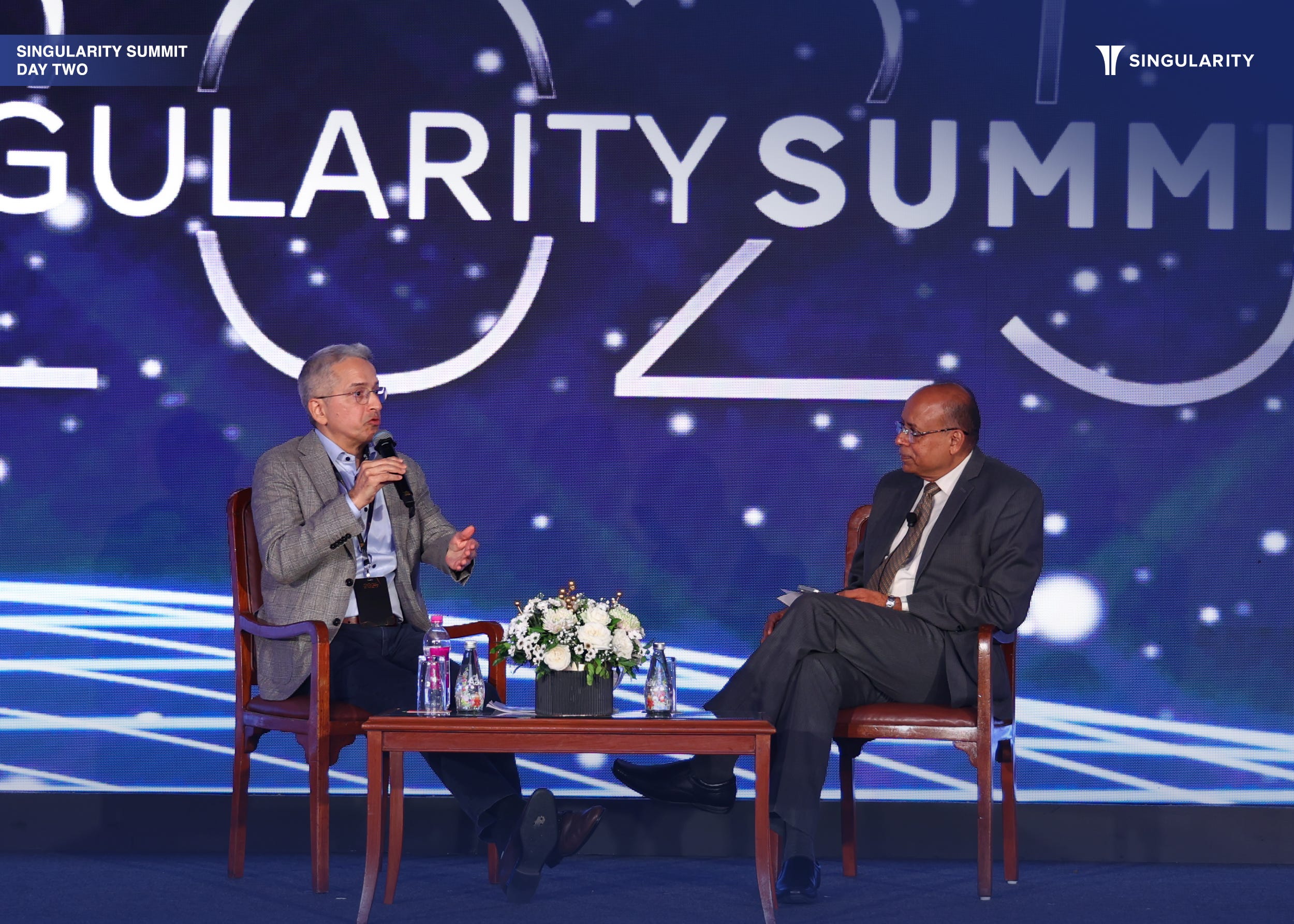
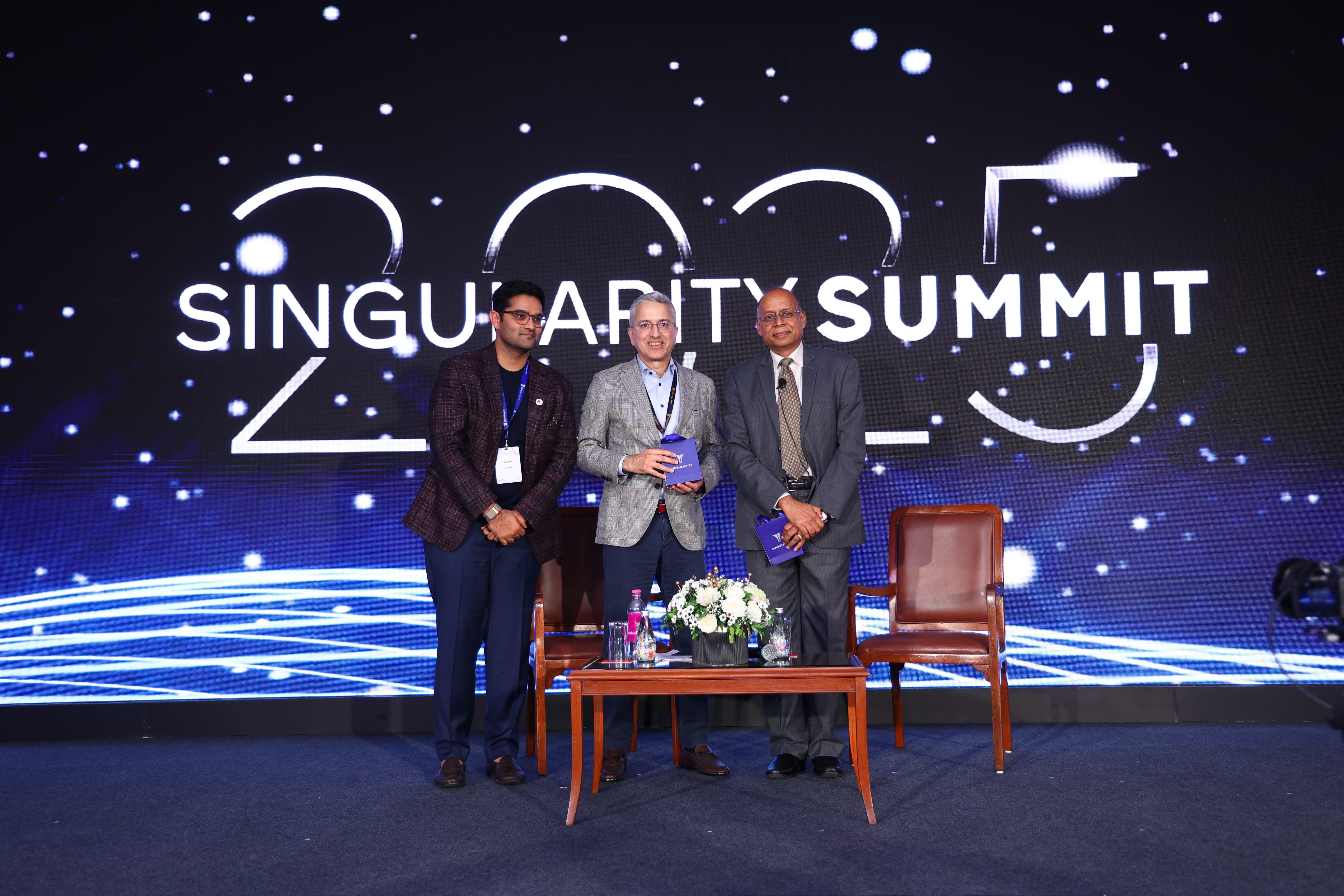
We had the privilege of hosting Mr. Sunil Vachani, Founder and Executive Chairman of Dixon Technologies earlier this year at the Singularity Summit 2025, in a fireside conversation with Dr Ajay Kumar, former Defence Secretary of India.
From assembling CRT televisions to operating multiple mega-factories and partnering with leading global brands, the company has demonstrated that high-quality, large-scale manufacturing can be built in India. Dixon today is playing a central role in building domestic capability across mobile phones, consumer electronics, lighting, and emerging component ecosystems.
Highly recommended to view this blog on our website here.
Early Conviction & the Belief in India
Mr. Vachani reflected that when the journey began almost 15 years ago as they narrowed their focus on contract manufacturing, the scale Dixon has achieved today was difficult to imagine. What drove the company forward was a conviction that India possessed strong fundamentals: deep engineering talent, competitive labour productivity and a willingness among global OEMs to partner when the right environment existed.
This belief intersected with policy support at the right time. Foundational ideas, including the now-famous warning that ‘electronics could surpass oil as India’s largest import’, helped shift national attention and accelerate early policy momentum.
Mindset as a Structural Barrier
When asked about the critical challenges in India’s manufacturing build-out, Mr. Vachani emphasised that mindset, more than capital or regulation, was the biggest constraint. Changing the mindset of government stakeholders, internal teams and ecosystem partners was essential in order to build confidence that India could execute at world-class quality and speed.
As national leadership aligned around manufacturing priorities, institutional support followed. Today, the challenge is to evolve from Make in India to Design in India, expand the domestic component base and foster an MSME ecosystem built for scale, not fragmentation.
Strategic Focus as an Inflection Point
A defining moment in Dixon’s journey came nearly two decades ago, when the company chose to exit its own branded consumer business and invest entirely in contract manufacturing. The branded business was profitable, yet spreading attention across two directions limited long-term capability building.

Choosing focus unlocked the ability to invest heavily in design capabilities, scale infrastructure and deep manufacturing competencies. This clarity later enabled Dixon to raise institutional capital and accelerate expansion.
Under the pilot PLI scheme for mobile phones, Dixon became the first company to achieve qualification thresholds and claim incentives under the PLI scheme. Mr. Vachani attributed this to a culture of empowerment, where division heads operate as accountable business owners with autonomy, speed and full financial responsibility. This internal model, supported by disciplined leadership from CEO Atul Lall and long-tenured partners across the organisation, has enabled Dixon to consistently execute complex factory build-outs in compressed timelines.
China Plus One & Shift in Global Supply Chains
The recent US tariff announcements have renewed urgency across global supply chains. Rather than viewing these developments as disruptive, Mr. Vachani described them as one of India’s largest opportunities to date. Electronics exports from India have already crossed $30 Bn, driven primarily by mobile phones, and could expand materially as companies diversify outside China and Vietnam.
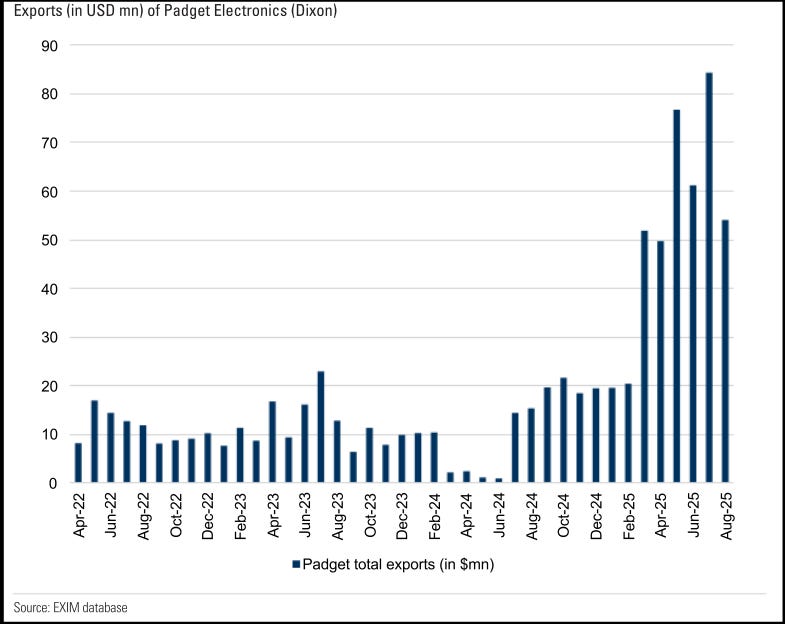
The goal now is to ensure that India does not miss this opportunity as it did in the previous relocation cycle, and to align industry and policy to deliver reliability, speed and capacity.
The conversation addressed industry concerns around low value addition in mobile manufacturing. While mobiles structurally have lower domestic value capture due to semiconductor dominance, other categories such as air conditioners, washing machines and lighting already demonstrate significantly higher value addition.
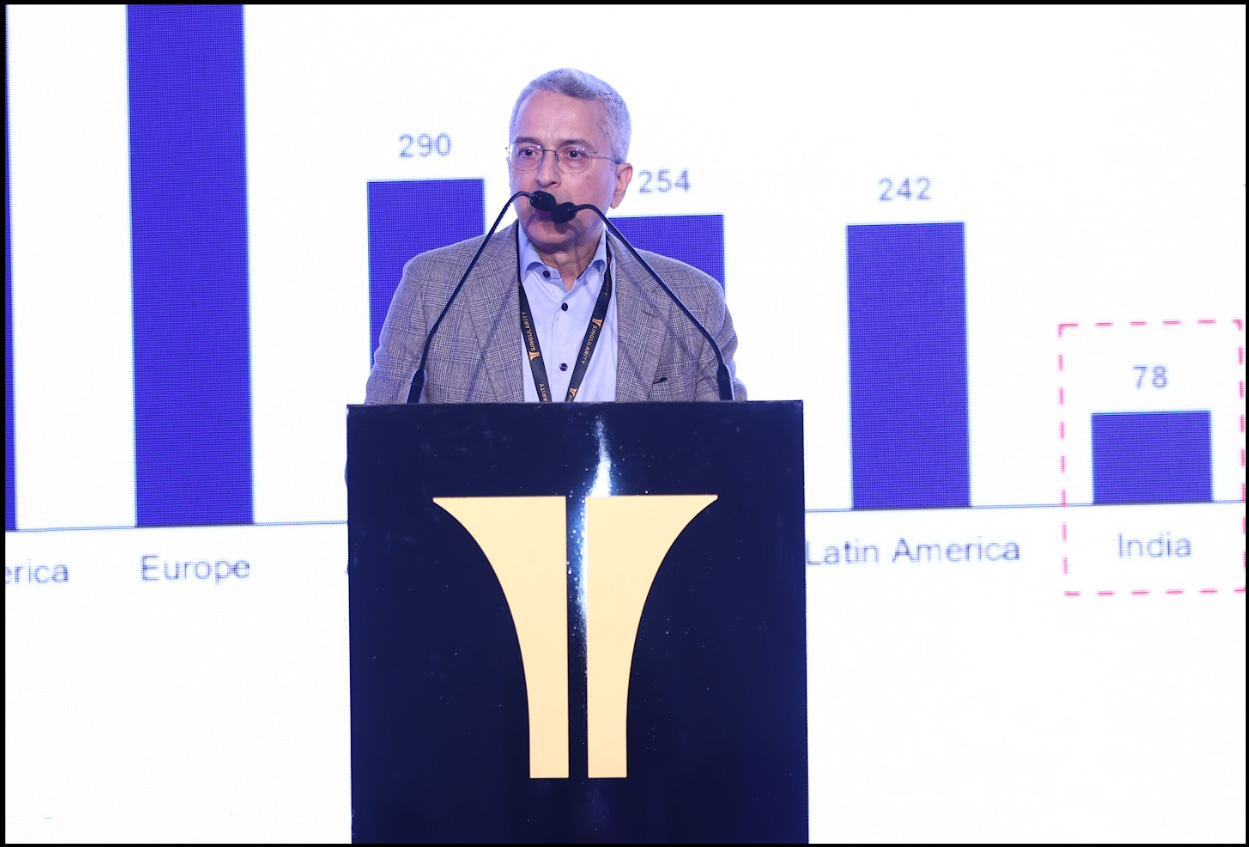
With new investments in display modules and camera assemblies, India is positioned to move from 18% to nearly 30% value addition in mobiles within the next 12 to 18 months, a milestone Vietnam took many years to reach. The component PLI and MSME participation are expected to accelerate this shift.
Desire to Become India’s Foxconn
After achieving success in mobile phones in recent years, two major adjacency on Dixon’s road map include:
• IT products including laptops, where India has a $15 Bn import substitution opportunity and more stable design cycles enable rapid scaling
• Automotive electronics, driven by the electrification shift where vehicles increasingly resemble computers on wheels
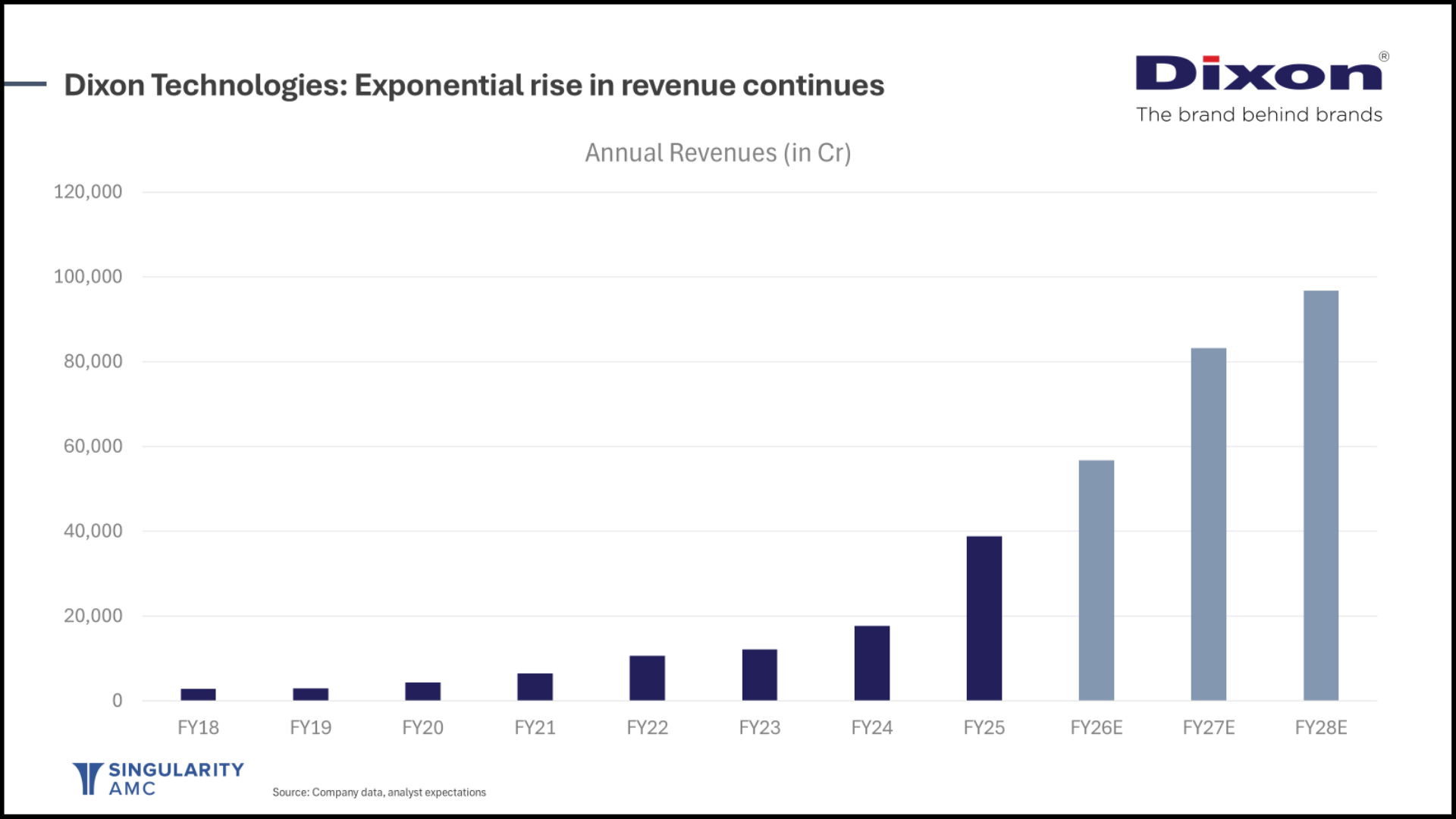
A new display module facility is under development, with backward integration under evaluation based on semiconductor policy alignment and subsidy support. Over the last five years, Dixon has grown revenue nearly seven times crossing Rs 40,000 Cr in FY25. At an expected compounded growth rate above 35%, the runway remains significant given the scale of the domestic mobile and IT hardware markets.
When asked about vision for 2035, Mr. Vachani mentioned Dixon’s north star is to be an extension of the customer, built on trust and operational excellence. If that continues, the eventual scale will exceed any forecast. Reflecting on influences that shaped his approach, he acknowledged the role of his late father, who launched India’s first colour television in 1983. Qualities of foresight, people focus and long-term conviction have guided Dixon since inception. His own role today, he noted, is to articulate direction, build alignment and empower leaders across the organisation.
The standing ovation that closed the session was a recognition not only of past achievement, but of the scale of opportunity ahead for India in electronics.
You can watch the complete video here.
Soon on Singularity One, we’ll dive deep into the Consumer Electronics industry, with two industry leaders breaking down the key intricacies, market shifts, and what lies ahead. Stay tuned and subscribe for more!
Check out our latest posts below:

Zero Gravity, Infinite Potential

Deep Dive: Why Space is Gaining Relevance & How India is Positioned
This morning I read this article it’s really amazing. I can understand that how promoters pedigree is most important rather any thing else. If the captain of the ship is more committed, vigilant and has a strong moat he can reach the shore under any sea turbulence like wise Dixon promoters pedigree is highly convicted here and there turbulence might come but their conviction , commitments certainly place this company ahead in the race. Thank you very much for the entire team. 💕❤️❤️💕
Loved the insight on mindset being the biggest structural barrier. The point about Dixon choosing to exit their profitable branded business two decades ago to go all-in on contract manufacturing shows how sacrificing short-term wins for long-term focus can reshape an entire company's trajectory. Timng matters too since they made this bet rigiht before PLI and supply chain shifts made India a genuine alternative.