

Celebrity branding has undergone a fundamental shift from transactional endorsements to identity-driven entrepreneurship, where stars act as founders and ‘thoughtful leaders’ rather than just the faces of a campaign. Globally, brands like Rare Beauty, rhode, and Fenty have redefined the market by leveraging cultural credibility and disciplined execution to achieve multi-billion dollar valuations in record time.
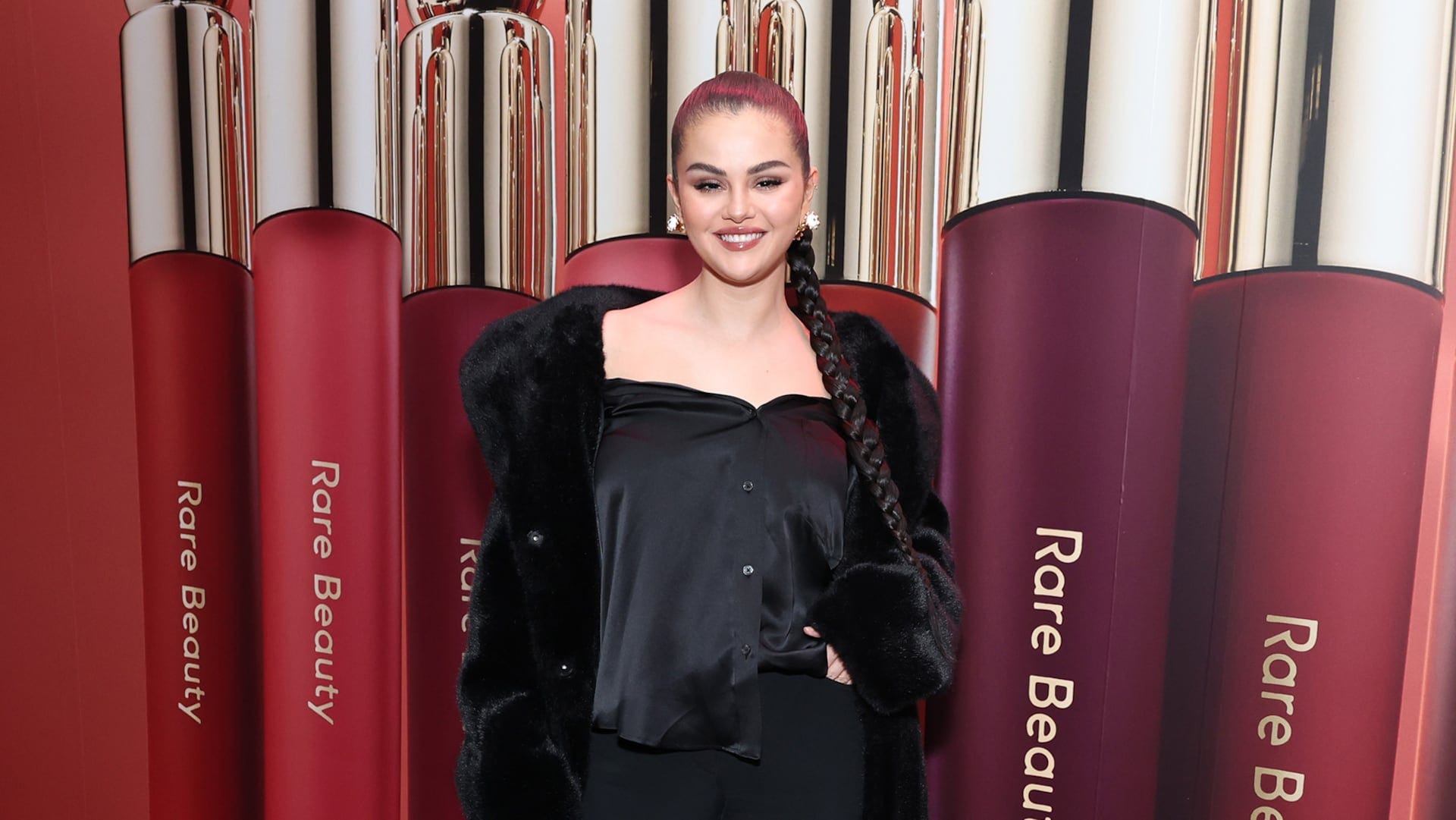
In India, we have seen global luxury brands doubling down on Indian stars as gateways to a fast-growing $20-$30 Bn luxury market, while a new ‘playbook’ focused on authenticity and individual-centric consumption is emerging for both stars and brands. Alia Bhatt for Gucci, Sonam Kapoor for Dior and Lancôme, Deepika Padukone for Louis Vuitton and Cartier, and Kiara Advani for Maybelline New York.
But this shift is no longer limited to endorsements. A parallel evolution is underway where celebrities are moving from being brand ambassadors to becoming brand builders. Film stars, athletes, and digital creators are launching their own beauty, wellness, fashion, and D2C labels, leveraging their social media equity to create direct consumer pull. In a digital-first India, where Instagram reels and influencer recommendations shape purchase decisions, celebrity-led brands come with built-in distribution, trust, and storytelling power.
What began as face-value endorsement is increasingly turning into equity ownership, co-creation, and long-term brand play.
In 2019, we saw Kay Beauty being launched by Katrina Kaif in partnership with Nykaa, which later held a 51% stake and provided full-stack capabilities from manufacturing to distribution.
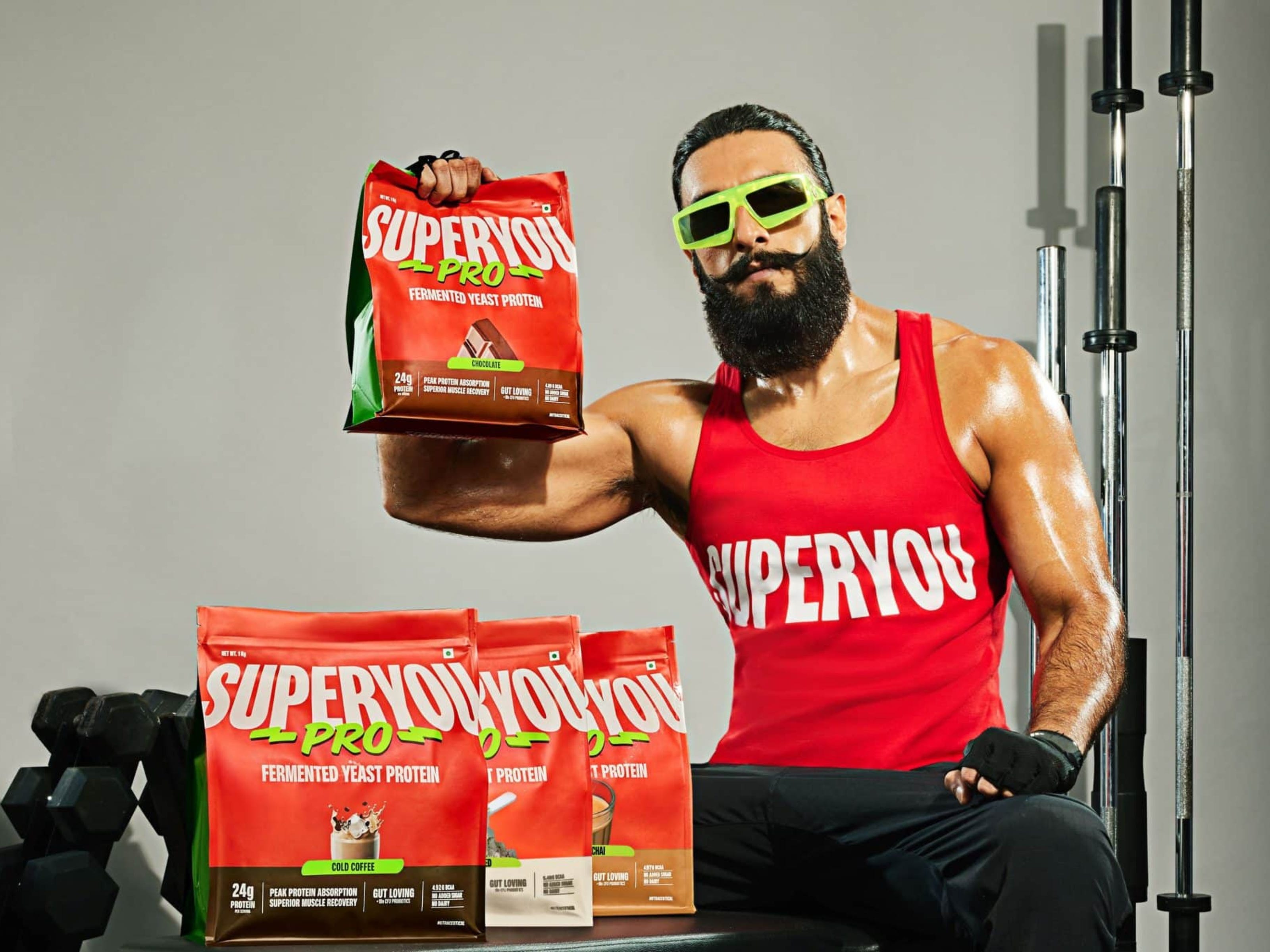
Post 2019, this model quickly spread across sectors as celebrities moved from endorsements to ownership. In beauty and skincare, Deepika Padukone’s 82°E marked a strong entry into premium self-care, while Anushka Sharma’s Nush tapped into fashion and lifestyle. Alia Bhatt started sustainable clothing brand for children, Ed-a-Mamma. In wellness and performance nutrition, Ranveer Singh’s SuperYou entered the market with protein wafers and functional snacks, signalling the growing celebrity push into health-focused consumer categories. Virat Kohli’s One8 continued to expand across athleisure and lifestyle, blending sports credibility with mass appeal.
From an investor’s lens, the ‘merchant–entertainer’ model offers asymmetric upside but also carries a high mortality rate. The transition from a personality-driven launch to a durable, cash-generating franchise is fraught with operational and reputational risks. The creator economy has lowered barriers to entry, making distribution, marketing, and community-building far easier than before. But it has simultaneously raised the bar for longevity. Fame can drive discovery and accelerate early revenue, yet it cannot manufacture repeat purchases, pricing power, or supply chain resilience. Without product-market fit, strong execution, and credible governance, celebrity equity risks becoming a short-lived spike rather than a compounding consumer business. Some key pointers here:
The Quality Imperative: When a product fails to perform, the celebrity's fame accelerates the backlash rather than shielding the brand. A notable example is influencer Jaclyn Hill’s cosmetics brand, which suffered a catastrophic launch due to contaminated and defective lipstick products.
The Authenticity Deficit: In the Indian market, brands that lack a distinct creative direction or fail to differentiate from fast-fashion incumbents struggle to gain traction. Anushka Sharma’s brand, Nush, faced criticism for generic designs that did not offer a unique value proposition beyond the celebrity association, leading to difficulties in distinguishing itself from established players.
Pricing Mismatches: A critical error in price-sensitive markets like India is misaligning ‘prestige’ pricing with mass-market expectations. Deepika Padukone’s 82°E did face some consumer backlash for its premium pricing strategy.
Therefore, for investors, celebrity-led brands require disciplined underwriting. Premium pricing without real product differentiation is a warning sign. Standalone D2C setups lacking supply chain or distribution depth add execution risk, as does over dependence on paid marketing instead of the founder’s organic reach. Most importantly, trend-driven or white-label products rarely build durable moats. In this category, repeat purchase behaviour and operational strength matter far more than follower counts.
At Singularity’s Investor Operator Playbook, we hosted Tarun Sharma, Co-founder of mCaffeine and now the force behind Hypen, which partnered with Kriti Sanon (Co-founder & Chief Customer Officer), to decode one of the more candid turnaround journeys in India’s consumer landscape. What unfolded was not a story of incremental optimisation. It was a story of survival, consolidation, and ruthless clarity.
When Cash Becomes the Only Metric
Mid 2024 was not comfortable.
Tarun describes it as the “sixth near death” in a 15-year entrepreneurial journey. The hardest one. The metric that mattered was not GMV, not market share, not social impressions. It was cash in the bank. The turning point was personal. On the day Tarun and his wife and co-founder Vaishali learned they were expecting their child, the fourth minute after the news was not joy. It was math. How many months of runway were left?
That moment re-framed everything.
The immediate operating principle became simple: at any point, the company must have six months of survival capital visible. Every decision flowed from that constraint. Constraints did not shrink ambition, they sharpened it.

The Core Mistake: Trying to Be Everything
In the years of rapid D2C scaling, mCaffeine had expanded aggressively. Face care. Hair care. Cosmetics. Multiple consumer personas. Multiple geographies. Heavy marketplace exposure.
What got diluted was clarity.
Tarun and Vaishali went back to first principles. Brands, like people, are not good at everything. When a young brand tries to act like a mature conglomerate, it stretches itself beyond its natural strengths. So they made a hard choice and cut nearly 70% of categories. They consolidated offices across Goa, Mumbai and Bangalore into a single operating base. They eliminated consumer cohorts that did not respond strongly. They said no to channels that did not create durable value. Consolidation became the theme.
The only thing they did not cut was human capital. In fact, they appraised above market during the toughest period. Protecting culture and core team was non-negotiable.
Listening to 1,500 Consumers
When founders are unsure where to cut, spreadsheets rarely give the full answer. Tarun and Vaishali went back to the only source of truth that mattered: the consumer. During the toughest stretch, they personally spoke to nearly 1,500 to 1,600 customers, many of them loyal, repeat buyers. The insight was uncomfortable. mCaffeine was not seen as a multi-category beauty brand. It was firmly perceived as a body care brand, more specifically a body scrub brand. Ironically, at that time, close to 60% of revenue was coming from face care.
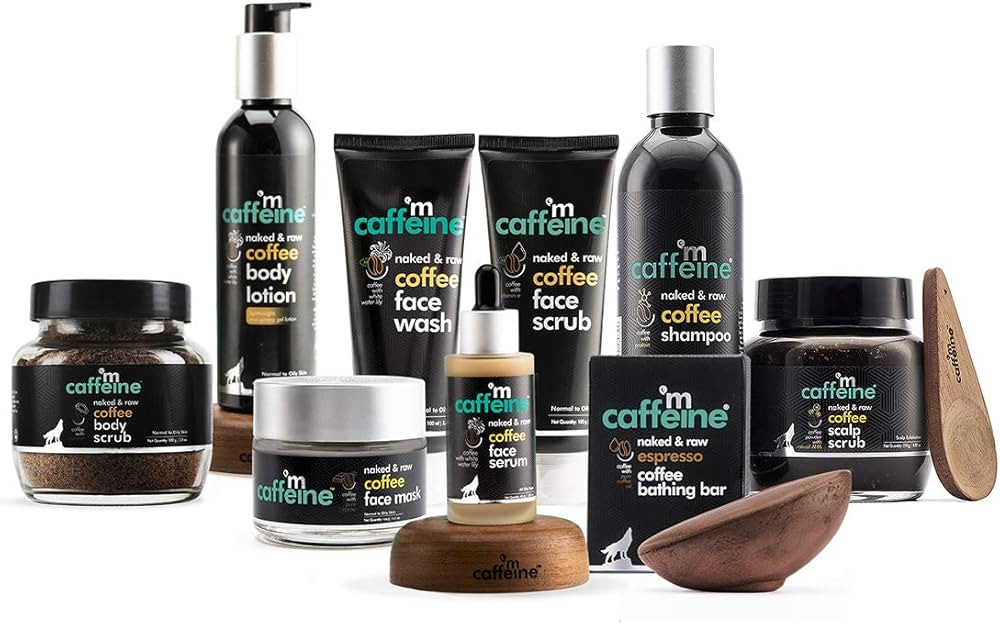
The second discovery was even more sobering. Despite spending heavily to build awareness across newer categories, loyal customers had little or no recall of those launches. Marketing had expanded width, but it had not expanded meaning. The brand occupied a strong mental space, but only in one part of the consumer’s routine. In the shower, mCaffeine stood for wash-off body care. That association was powerful. Everything else was peripheral.
That clarity led to decisive action. Instead of chasing category expansion, they leaned into what consumers already believed. The portfolio was rebuilt around body care as the anchor. The question shifted from how many categories they could enter to how far they could scale the one they genuinely owned. The new ambition was simple: take body care from 150 crore to 500 crore and beyond by doing fewer things better.
Rebuilding Unit Economics Through the 6Ps
Once the strategic consolidation was clear, execution turned precise. Tarun describes mCaffeine’s operating lens through six levers:
Proposition
Product
Packaging
Pricing
Promotion
Platform
Each lever was revisited. The proposition was sharpened around body care that was both efficacious and emotionally resonant. Packaging evolved beyond the early all-black aesthetic, which had begun to lose differentiation on shelves. Pricing was recalibrated to restore contribution margins rather than chase top-line growth.
Promotion strategy shifted meaningfully. Instead of broad, indiscriminate spending, marketing was directed toward high-repeat cohorts and measurable retention. The platform mix was also rebalanced. Today, roughly 55-60% of the business comes from D2C, and importantly, that channel operates profitably. Direct access to consumers, data visibility and faster feedback loops became structural advantages rather than marketing talking points.

At the financial level, the team went deeper into the P&L than ever before. What used to be a 20-30 line summary was broken down into more than 100 granular cost heads. Every rupee was scrutinised. Assumptions were tested. Optimism was replaced by precision. That level of granularity, rather than a single bold move, is what ultimately rebuilt unit economics.
The Role of Strategic Capital
August 2023 marked a defining inflection point.
At Singularity’s office, Tarun and Vaishali sat down with Yash Kela and Avnish Anand for an intensive working session that lasted an entire day. The goal was simple but uncomfortable: deconstruct the business without bias. The notes from that meeting continue to serve as an operating blueprint.
The discussion distilled down to one central driver. Increase repeat. Improve cohort profitability. Everything else was secondary. Instead of chasing scale narratives, the team focused on strengthening the economics of existing customer behaviour.
In this context, strategic capital meant far more than equity. It meant operating depth. Founders often struggle to find honest, high-quality feedback. It is rare to find someone with skin in the game who can challenge assumptions without destabilising the team. The collaboration was not about top-down instructions. It was about structured thinking. Going deep into data. Breaking broad narratives into micro decisions that could be executed.
The outcome was decisiveness. Not brutality, but clarity.
From mCaffeine to Hyphen: Operator-Led, Celebrity-Anchored
The conversation then shifted to Hyphen, co-founded with Kriti Sanon.
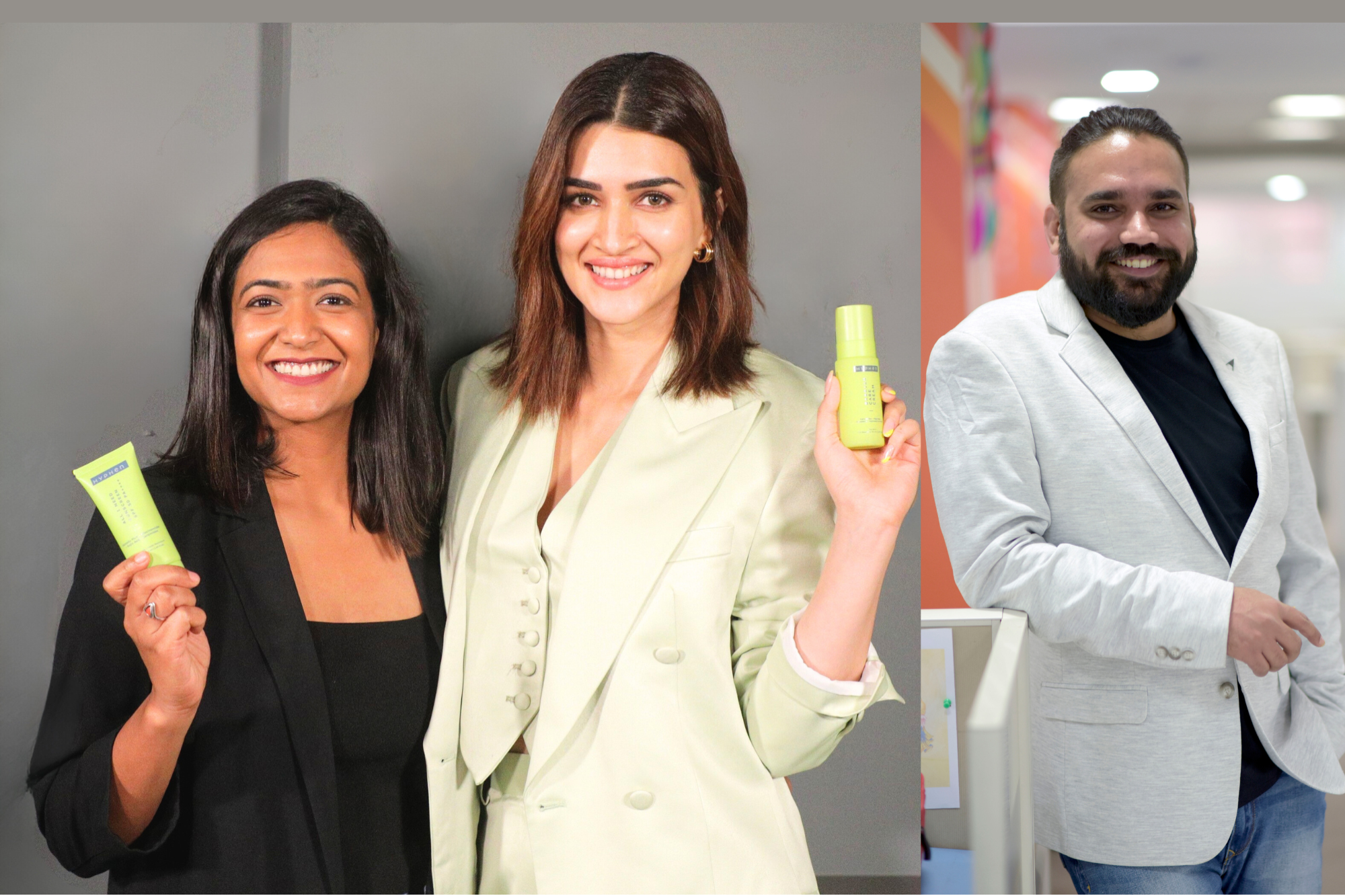
Hyphen’s structure is intentional. It is operator-led and celebrity-anchored, not celebrity-led. That distinction shapes everything. Kriti is positioned internally as Chief Customer Officer rather than brand ambassador. The idea is simple. If the creator is not genuinely invested in solving a real consumer problem, even a following of 50 Mn will not sustain long-term brand equity.
Authenticity became the foundation. Kriti’s personal interest in skincare and beauty was not treated as a marketing asset but as operating input. She engages with product development, consumer insight and positioning. The brand narrative is built around solving accessible, everyday skincare needs rather than relying on aspirational distance.
Pricing was equally deliberate. Instead of launching as a high-end vanity label, Hyphen positioned itself as aspirational yet accessible. The goal was scale with trust. To serve crores of consumers rather than a narrow luxury segment. This decision aligned distribution strategy, margin expectations and communication tone from the outset.
Importantly, Hyphen did not start from scratch. It leveraged the institutional muscle of mCaffeine. Years of operating experience, data discipline and category learning helped avoid predictable mistakes. Where authenticity anchored the proposition, data disciplined execution.
The Bigger Lesson
Fame can open the door. Only clarity and operating depth can keep it open. Sometimes the path forward begins with a simple commitment: build from what consumers genuinely trust you for, scale that trust with discipline, and let credibility compound over time.
In a market where brand awareness can be built overnight, especially with celebrity reach and social media amplification, loyalty is far harder to earn. A large following can spark discovery but you also need to manufacture trust in minds of your customer.
Check out our latest posts below:

Building Slow in the Age of Fast Fashion

The Operator's Playbook: How Bombay Shirt Company is Creating the Quite Luxury Revolution in India