

EVs and the broader energy transition have been a consistent theme in Singularity's portfolio. We have been investing across the EV value chain for a while now, on the OEM side with PMI Electro Mobility in electric buses, Qucev in commercial vehicles (trucks), and River Mobility in electric two-wheelers, and on the materials side with HEG for graphite anodes and battery energy storage, and Lohum for critical minerals processing and lithium-ion battery recycling. The common thread across these bets is a belief that India’s EV transition will be shaped as much upstream, across materials and infrastructure, as it will be by the vehicles themselves. After all, battery packs can account for 40–50% of an EV’s value.
In our last piece, we wrote about why we invested in River Mobility, and the broader e-2W supercycle we believe India is entering. Today’s piece takes a step back from vehicles and looks upstream, at the battery value chain that sits underneath every EV, and why we backed HEG within it. Recommended reading on the website here.
For decades, batteries quietly powered our daily lives, sitting inside home inverters that kept the lights on during outages and under the hood of our cars, where lead-acid batteries needed the occasional water top-up to stay functional. They were reliable, familiar, and largely invisible.
That changed with the rise of nickel-based and lithium-ion batteries. As these chemistries became efficient enough for mainstream use, batteries evolved from a simple backup power source into the backbone of electric mobility, portable electronics, and grid-scale energy storage.
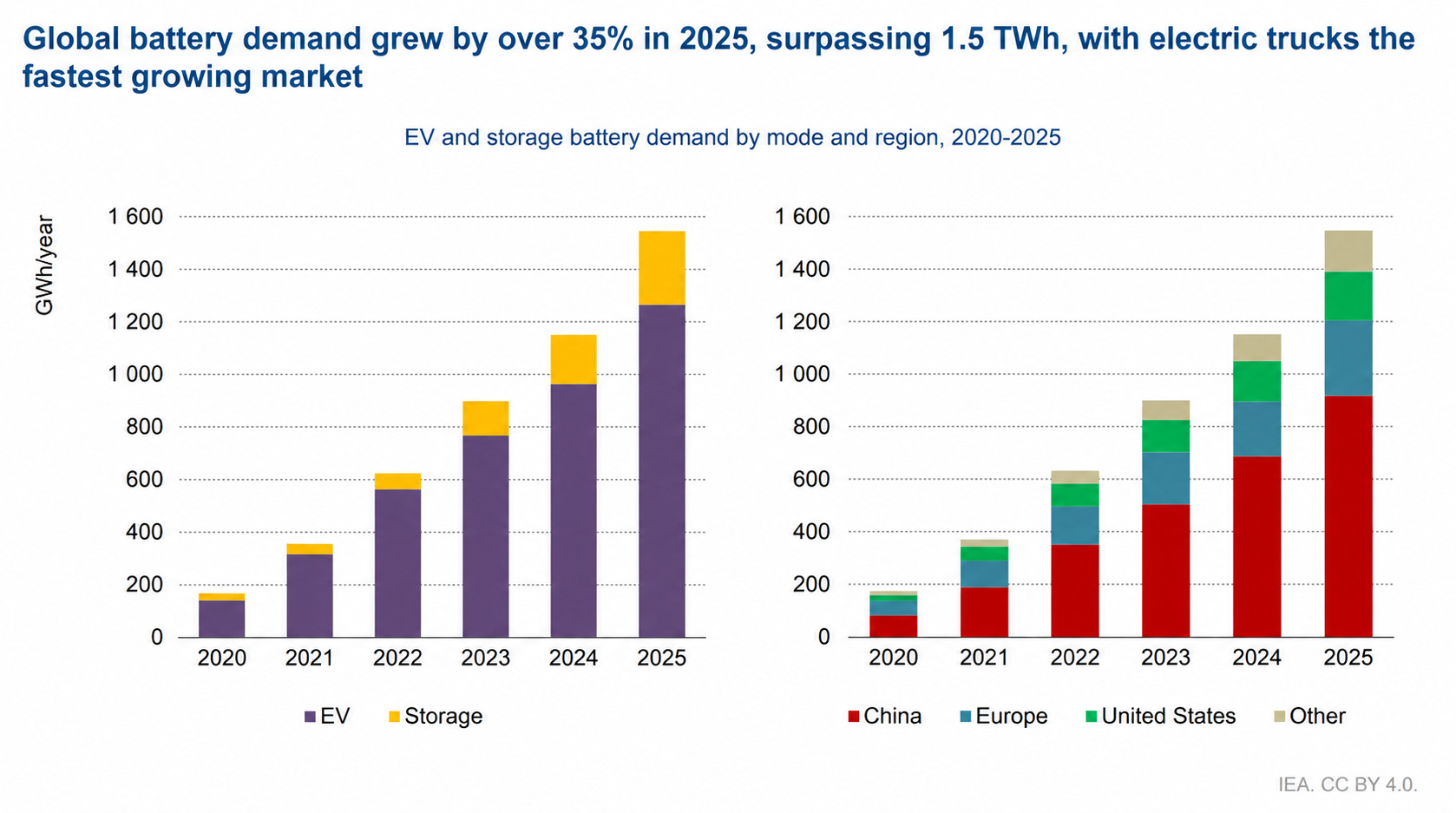
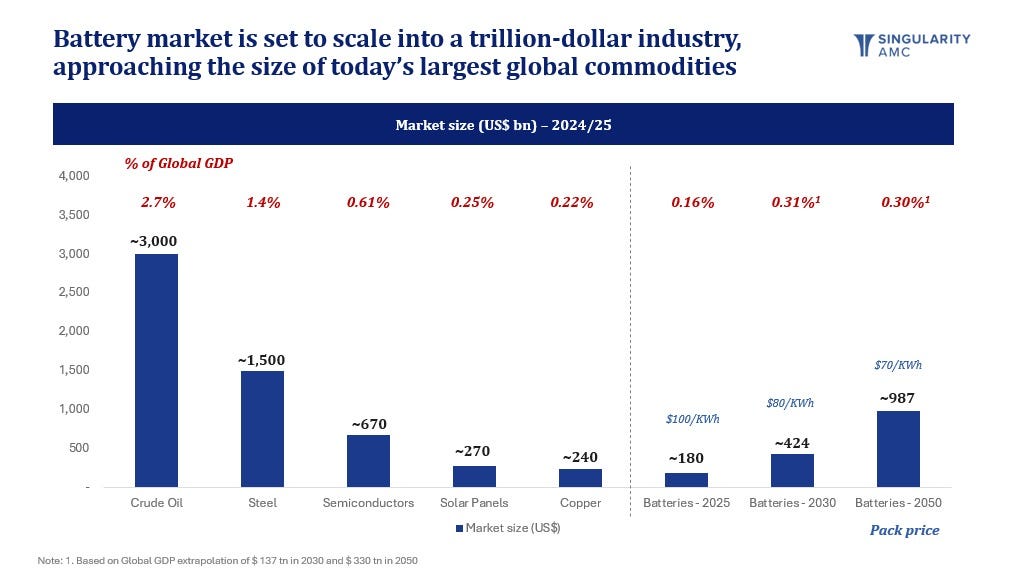
Combined with a sharp post-pandemic surge in adoption, global battery demand has risen nearly 8x, moving batteries from the background to the centre of the energy transition. Overall the battery market is on a trajectory to become one of the largest resource markets in the world, rivaling the size of crude oil and steel today. Even as pack prices continue falling from roughly $100/KWh in 2025 toward $70/KWh by 2050, the sheer volume growth more than offsets the price decline, pushing the market from ~$180 Bn today to nearly $1 trillion by 2050.
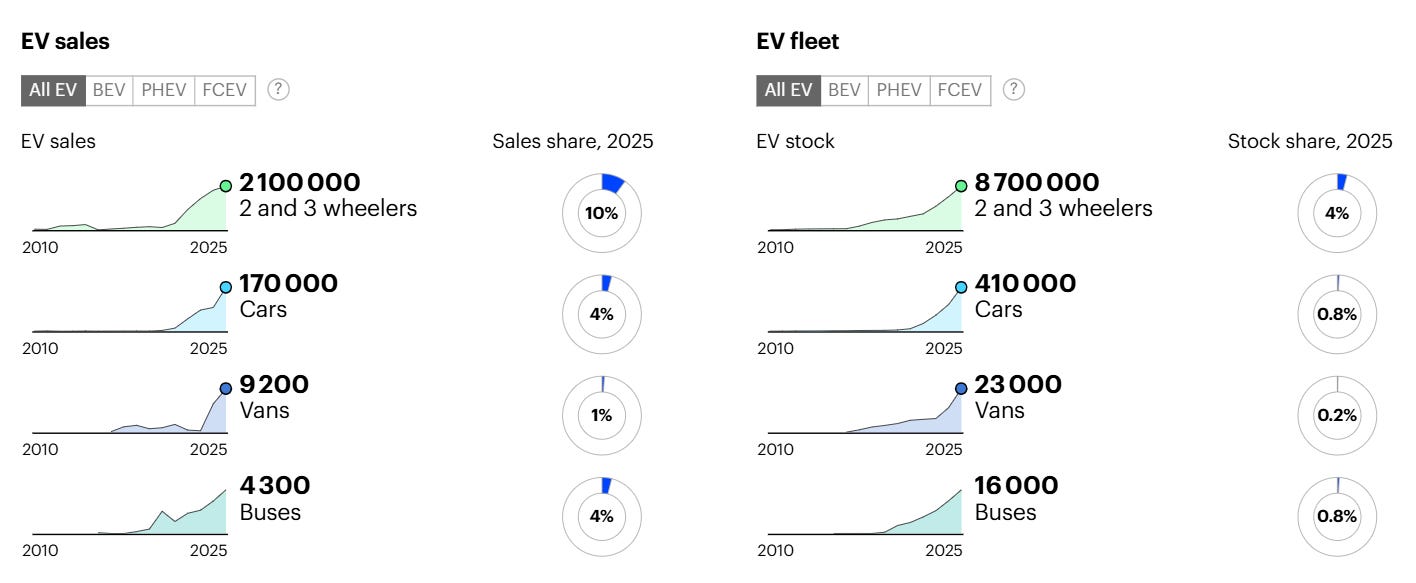
As of 2020–21, India’s cumulative lithium-ion battery deployment stood at a mere 22.4 GWh, with the mix primarily comprising consumer electronics, followed by stationary energy storage and then transport. By 2025, this shift was clearly visible in India’s EV market, led by two- and three-wheelers, with cars, vans, and buses following at varying stages of penetration. India now has 8.7 million electric two- and three-wheelers and over 410,000 electric cars on its roads - a rise from virtually zero just a decade ago.
This surge in EV adoption has pushed India’s lithium-ion battery import bill sharply higher. After remaining largely flat at around $1,200-1,250 Mn between FY19 and FY21, imports have risen to ~3.5x in FY25. Reason this bill continues to rise is because India still lacks meaningful refining & battery cell manufacturing capacity. As a result, we either import fully assembled battery packs or import battery cells and assemble them into packs domestically. In both cases, the highest-value part of the supply chain, refining and cell manufacturing, happens outside India.
This is precisely the gap HEG Advanced Materials is positioning itself to address. But before we get there, it is worth understanding what actually goes inside a battery, the raw materials, the chemistry, and the manufacturing steps that together determine cost, performance, and where the value truly sits in the supply chain.
What Goes Inside a Battery
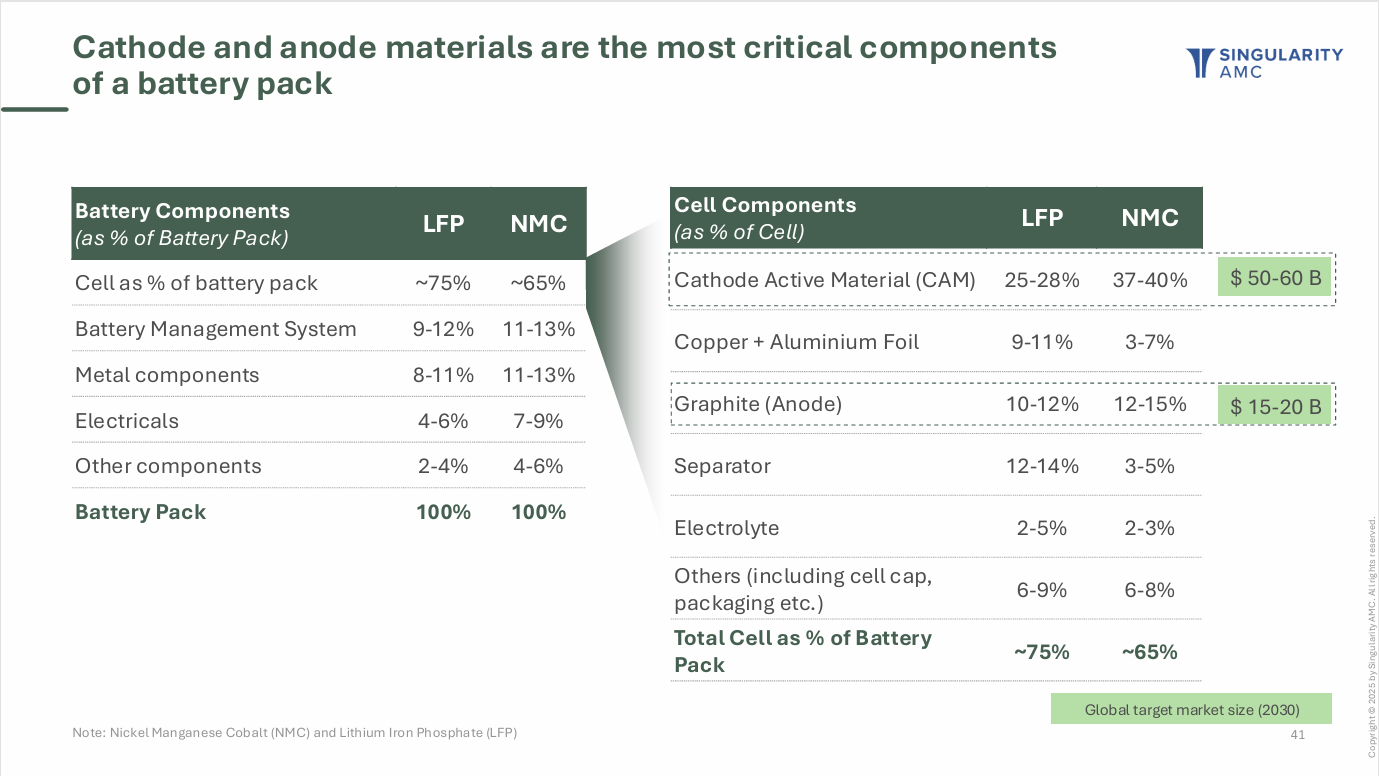
The cell itself makes up the bulk of a battery pack, roughly 75% for LFP chemistry and 65% for NMC, with the balance split across the battery management system, metal components, electricals, and other parts. Inside the cell, cathode active material is the single largest cost driver, accounting for 25 to 28% of an LFP cell and 37 to 40% of an NMC cell, and represents a global target market of $50 to $60 Bn by 2030. Graphite anode material follows, making up 10 to 15% of the cell depending on chemistry, with its own $15 to $20 Bn market opportunity by 2030. The remaining components, copper and aluminium foil, separator, electrolyte, and packaging, matter for performance and safety, but it is the cathode and anode materials that dominate both cost and strategic importance in the value chain.
Despite the surge in demand, most critical cell components remain heavily import dependent, and China sits at the centre of that dependence, controlling the bulk of global refining and processing capacity across the value chain for all critical components.
While India today imports the finished product (battery pack) or the the readymade cells and assembles it here, if we can successfully start producing some of key the components locally, it could give a big boost to cell assembly & eventually the whole ecosystem would follow. Within this landscape, anode, looks like one of the more promising components for India to focus on early as the Bernstien Analysis shows below.
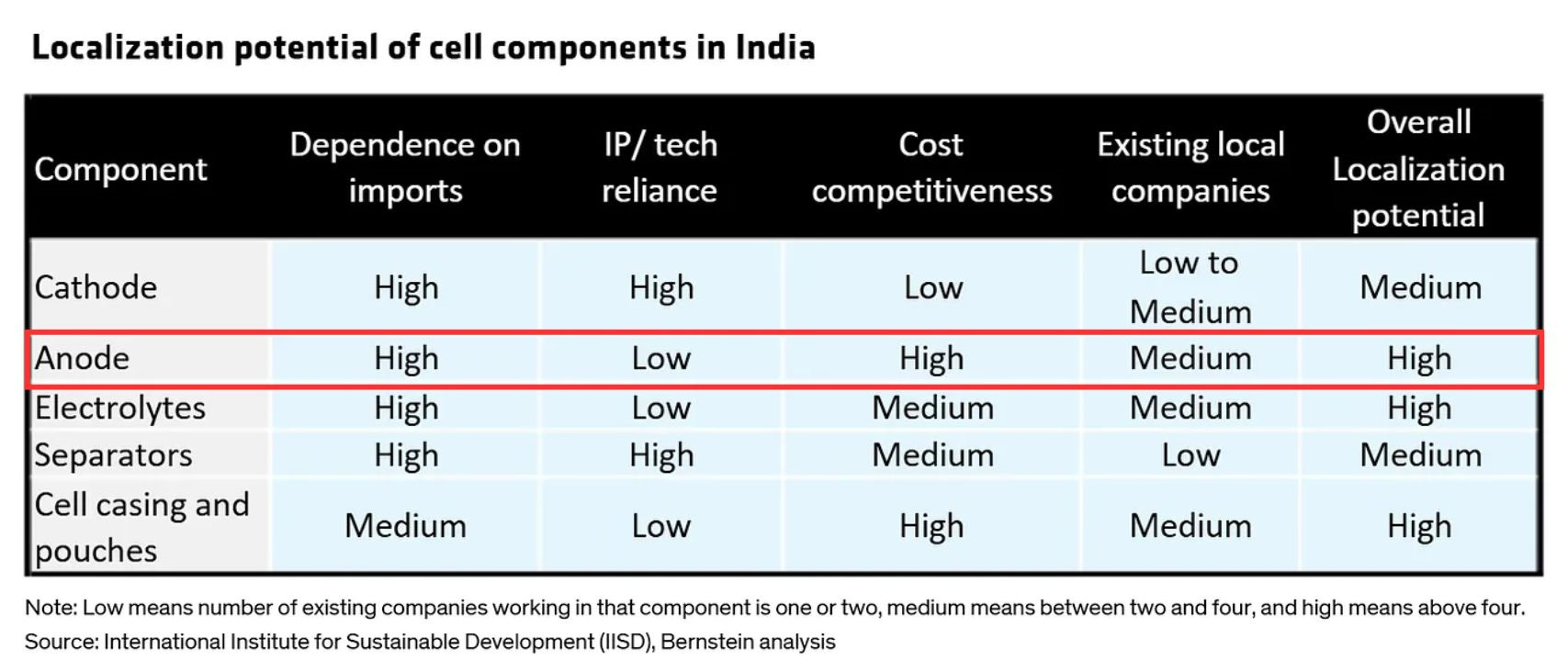
Globally when it comes to cathode active material, ex-China share in production volume is around 12%, held almost entirely by Korea (9%) and Japan (3%). Move back one step to anode active material, arguably the most upstream and specialised link in the chain, and the ex-China share falls further to under 5%. As of Q2 2026, Chinese firms controlled 95.4% of the global anode materials market, with Korean and Japanese producers each holding just 2.3%, and that Chinese share is still rising, not falling. In other words, anode is that cricitical opportunity in the battery value chain, where the rest of the world has the least capacity to compete, and hence is precisely what makes building domestic anode capacity in India disproportionately valuable.
This push to de-risk battery supply chains away from China is also showing up directly in how incentives are structured. In the US, the now-repealed IRA clean vehicle credit required a rising share of a battery's critical minerals to come from outside China, from 50% in 2024 to 60% in 2025, 70% in 2026, and 80% from 2027 onward, with any Chinese-linked mineral content disqualifying a vehicle outright starting in 2025. While the credit itself was eliminated for vehicles acquired after September 2025 under the FY2025 reconciliation law, but the sourcing requirement is a useful marker of how far the US pushed to de-risk battery supply chains from China. On the manufacturing side, the 45X credit pays US-based producers up to $35 per KWh for battery cells and $10 per KWh for modules, and even as the broader scheme was tightened in 2025, this incentive to build capacity domestically was largely preserved. Put simply, governments are now paying companies to move battery supply chains out of China, and the anode is exactly the kind of component that stands to benefit most from that shift.
HEG Advanced Materials - Solving for Anode Dependence
Global anode opportunity is large and growing fast, total battery graphite anode demand is expected to rise from around 2.9 million MT in 2025 to 8.0 million MT by 2035, tracking the broader lithium-ion battery market, which itself is projected to grow from roughly 2.3 TWh in 2025 to 8 TWh by 2035.
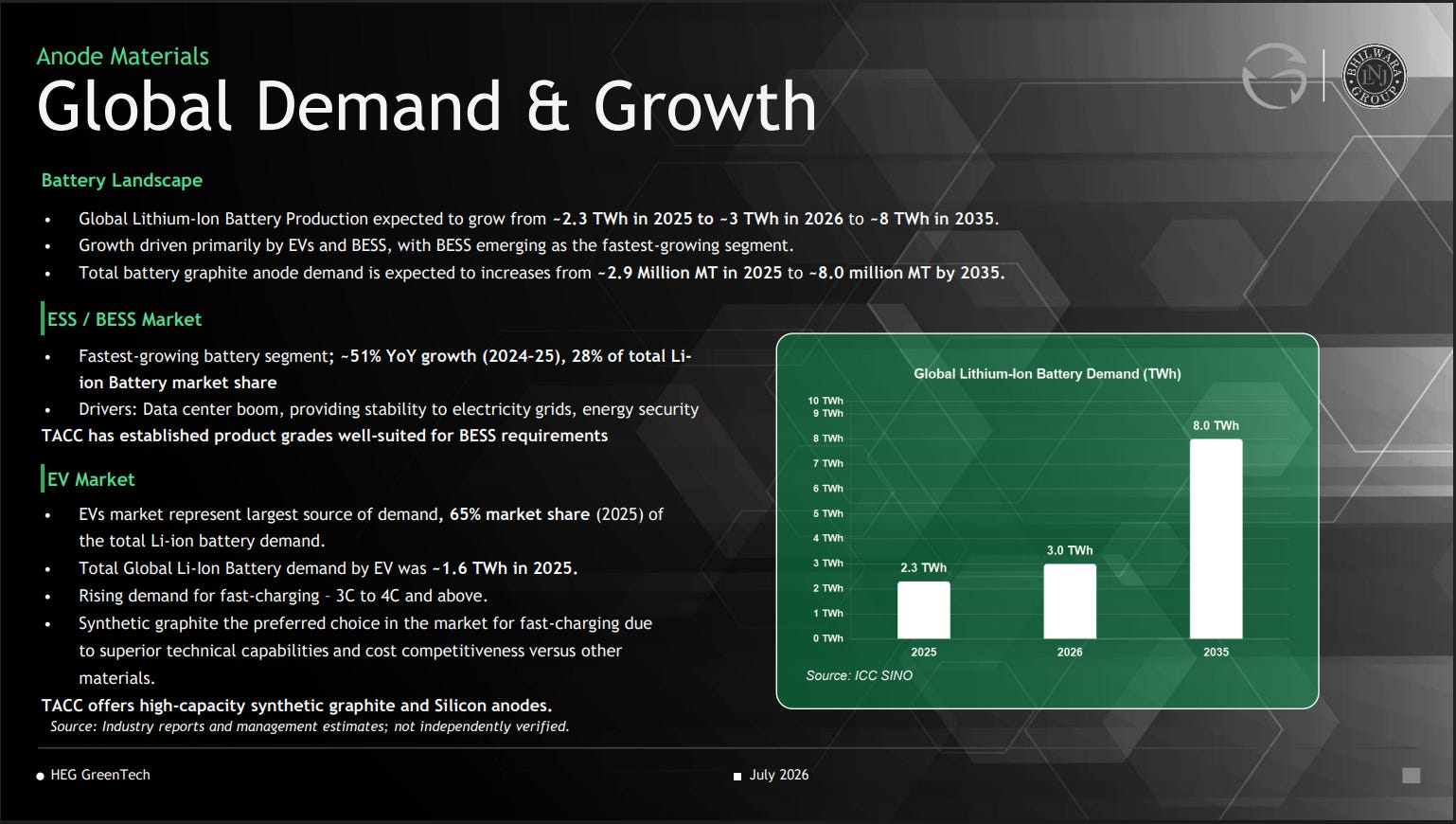
In India, the government's policy is aimed at long-term supply chain localization, with the upcoming Rs 12,000 crore push for local battery component manufacturing expected to have at least a quarter of the incentive outlay dedicated to anode materials, a segment where HEG Advanced Materials is positioning itself early through its TACC facility. India's domestic cell manufacturing capacity is expected to reach around 250 GWh by 2035, while graphite anode demand within India is projected to surpass 100,000 MT by 2030, driven largely by ESS first and EV thereafter, laying the ground for meaningful domestic demand for synthetic graphite anodes specifically.
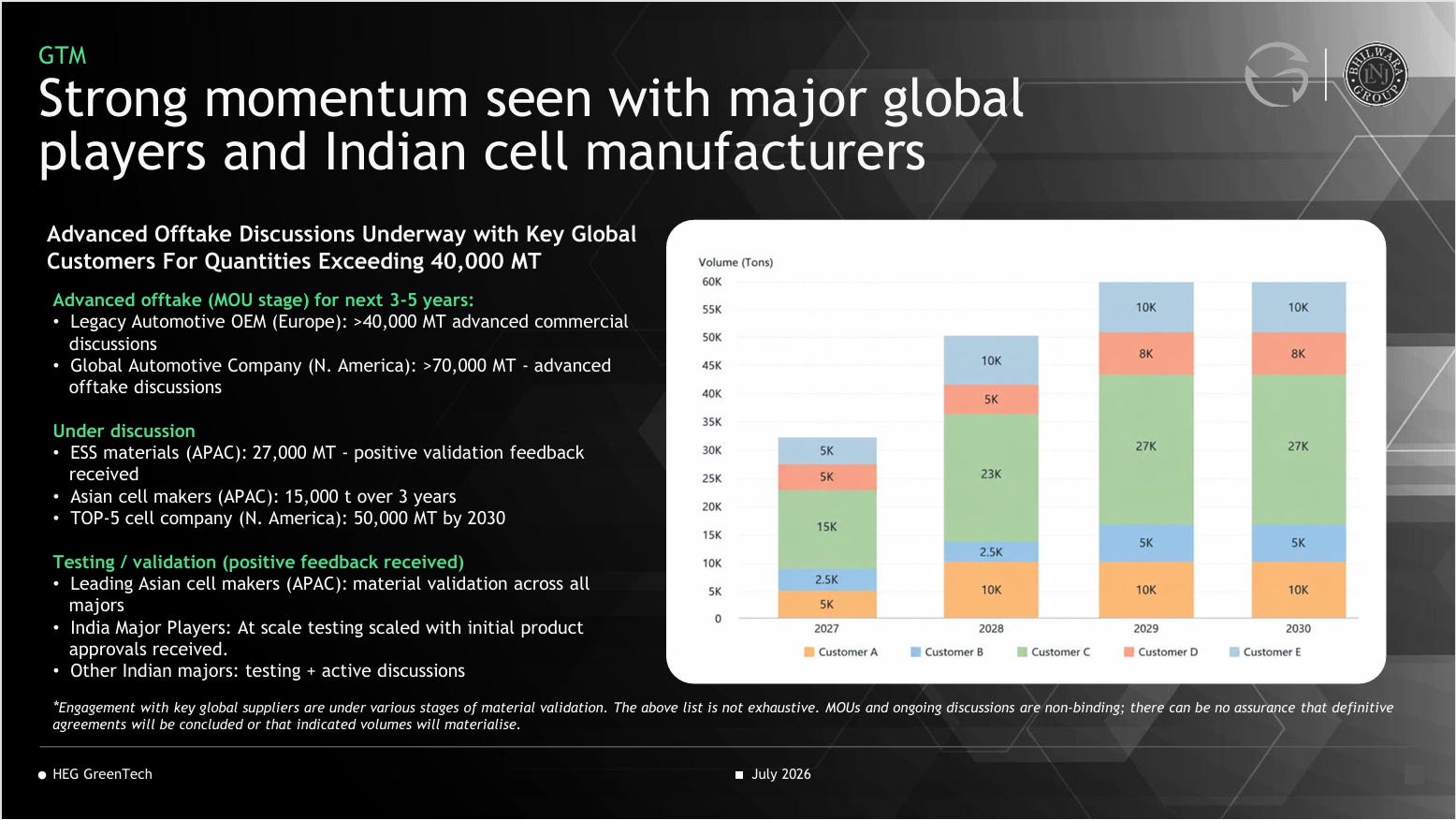
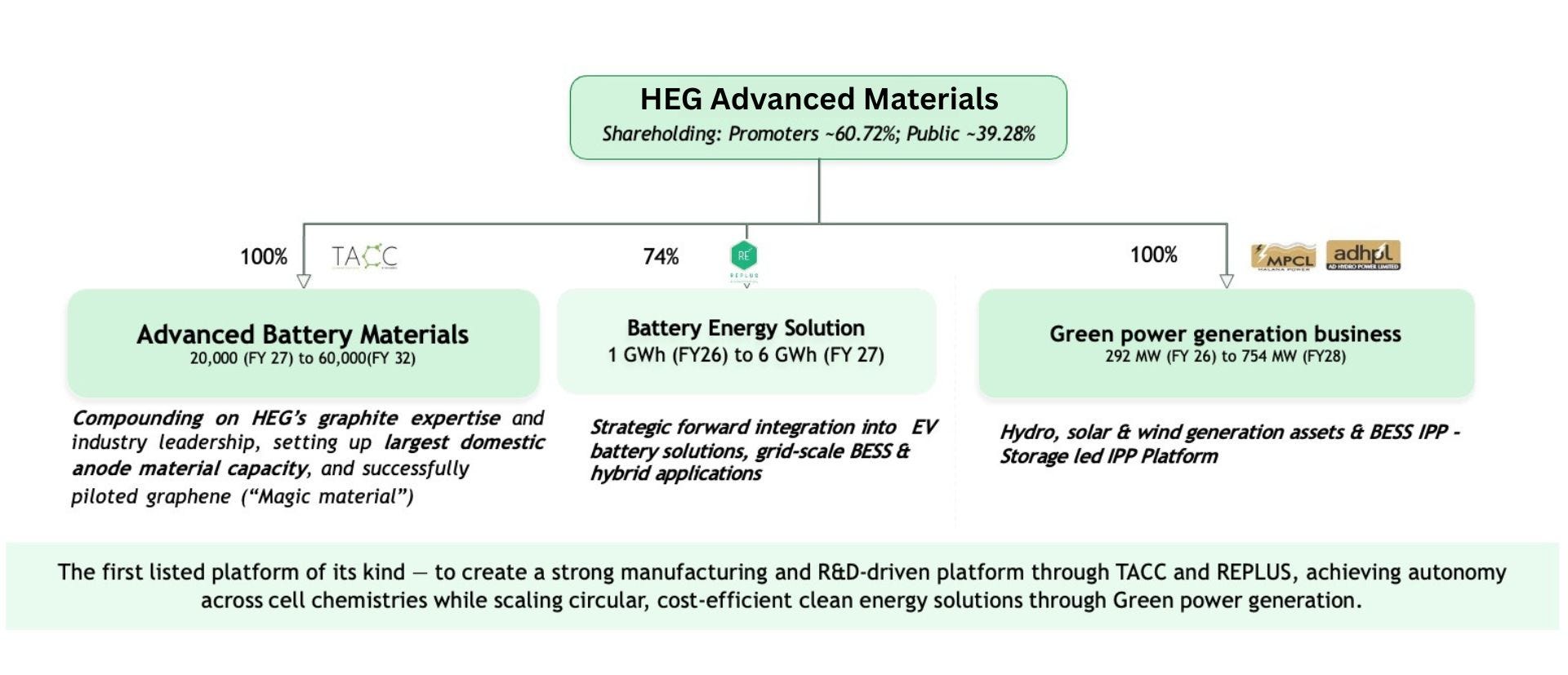
This is exactly the opportunity TACC is building for. Its synthetic graphite anode plant, with a capacity of 20,000 tonnes and commissioning targeted around early 2027, is being built at a capex of approximately Rs 2,250 crore. TACC is positioned to serve both the energy storage systems and EV segments with high-capacity synthetic graphite and silicon anode grades, directly aligned with the two demand pools set to drive India’s anode requirement over the next decade. Beyond the initial 20,000 tonne plant, TACC can also further expand capacity to 32,000-40,000 tonnes at the same site, at meaningfully lower incremental capex than the first phase, since it would leverage the existing land, utilities, and common infrastructure already built out. Notably, anode manufacturing cost in India does not vary meaningfully from China, unlike several other battery components where Chinese scale and subsidies still create a wide cost gap. This narrows the usual "import is cheaper" argument that has held back domestic manufacturing elsewhere in the value chain, and makes a India-based anode plant commercially competitive rather than dependent on protection or import substitution alone. Early customer traction reinforces this conviction, with strong advance interest already secured from a concentrated base of potential offtake partners, giving TACC visibility into demand well ahead of commissioning.
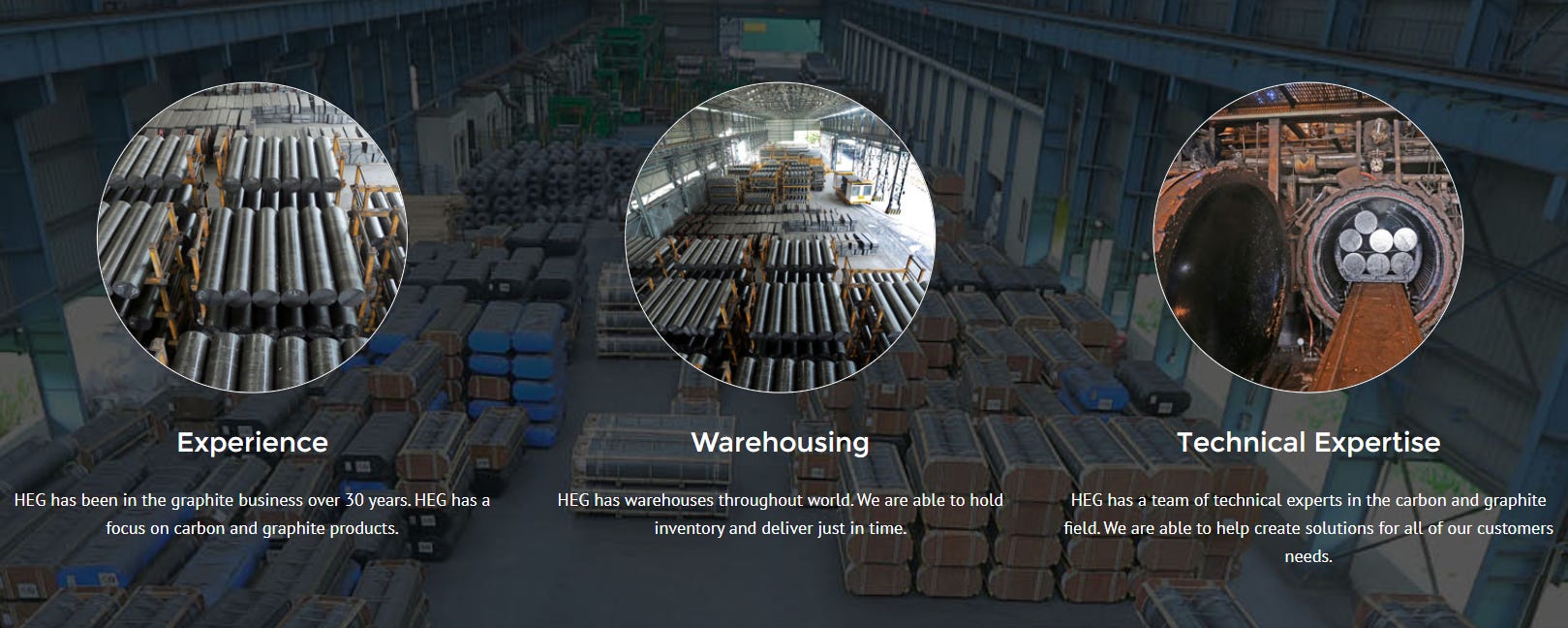
HEG has been operating one of the world’s largest single-site graphite electrode plants for nearly five decades, building deep expertise in graphitization, high-temperature thermal processing, and the stringent quality control required to produce high-performance synthetic graphite. This is a meaningful advantage because both graphite electrodes and battery-grade synthetic graphite anodes are built on the same core capability: transforming carbon feedstock into a highly ordered graphite structure through a carefully controlled graphitization process.
Beyond manufacturing know-how, HEG also brings decades of experience in sourcing and processing needle coke, the critical raw material used to produce high-quality synthetic graphite. This combination of process expertise and supply chain familiarity gives TACC a genuine execution edge. Rather than learning an entirely new manufacturing process, it is leveraging capabilities that HEG has refined over the past five decades and applying them to one of the fastest-growing segments of the battery value chain.
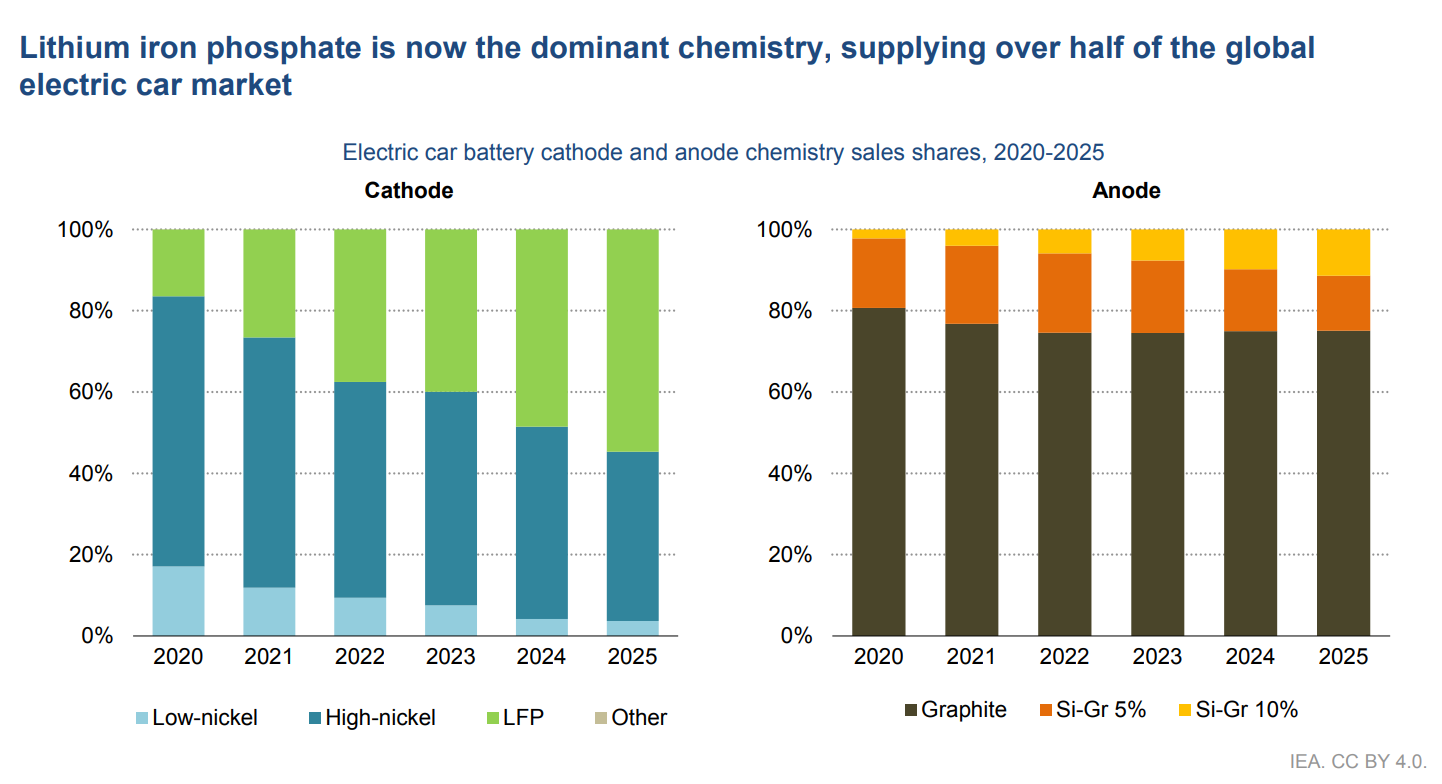
One structural advantage that makes graphite anode an especially durable bet is that it is largely chemistry agnostic. While cathode chemistry has shifted meaningfully over the past five years, LFP's share of the global electric car market rose from roughly 17% in 2020 to over 54% in 2025, overtaking high-nickel NMC chemistries which fell from around 66% to under 42% over the same period, the anode side of the battery has stayed comparatively stable. Graphite, in pure and silicon-doped form, has anchored the anode across both LFP and NMC cells, holding close to 100% share through 2020 to 2025. What has shifted within that is the mix where pure graphite's share has eased from about 81% to 75%, with the difference taken up by silicon-doped graphite variants (Si-Gr 5% and 10%) that improve energy density. In practice, this means graphite-based anode demand does not depend on which cathode chemistry wins the market, it benefits from EV and battery growth regardless of that outcome. This is precisely the segment HEG Advanced Materials, through TACC, is building production capacity in, giving it exposure to overall battery volume growth rather than a bet on any single cathode technology.
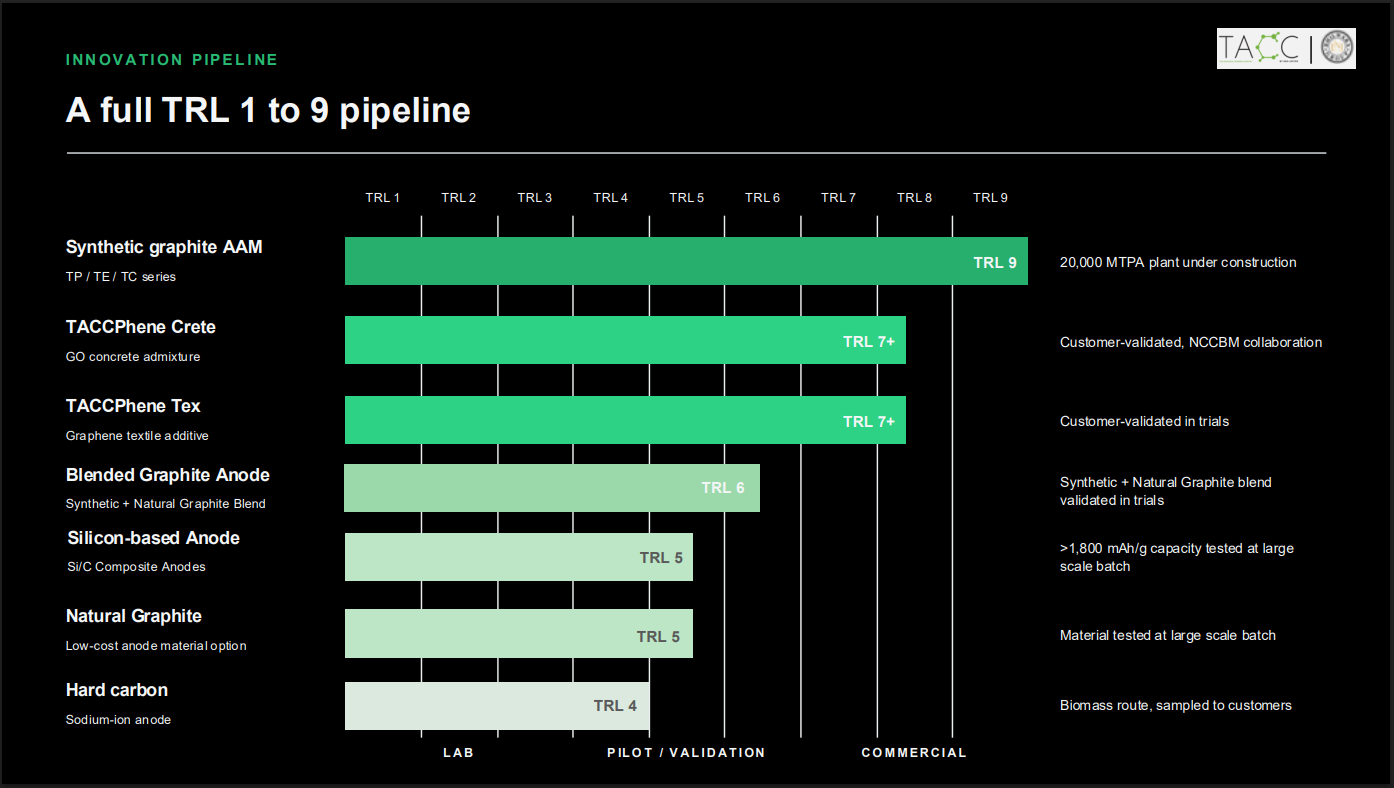
That said, betting on graphite anode as a stable, chemistry-agnostic opportunity does not mean the technology itself stands still. Silicon-doped and silicon-composite anodes are gaining ground for applications that need higher energy density, and hard carbon or fast-charging variants are being developed for specific use cases. If any of these alternatives scale faster than expected, a pure synthetic graphite play could face pressure over the long run. This is a risk TACC itself is actively hedging against rather than ignoring. Its R&D pipeline spans well beyond the core artificial graphite anode, into silicon-carbon composites, silicon-graphene anodes, graphene conductive additives, and hard carbon anodes, at varying stages of technology readiness. The table below lays out where each of these projects currently stands.
Beyond Anode: REPLUS and the Hydro Cash Engine
The platform spans two verticals, advanced materials through TACC, and the green power value chain covering hydro, storage based renewable IPP, and battery energy solutions through REPLUS. The hydro business, already operational and cash generating, sits alongside these newer, capital intensive bets, giving HEG Advanced Materials a built-in funding cushion to support its growth ambitions rather than relying purely on external capital.
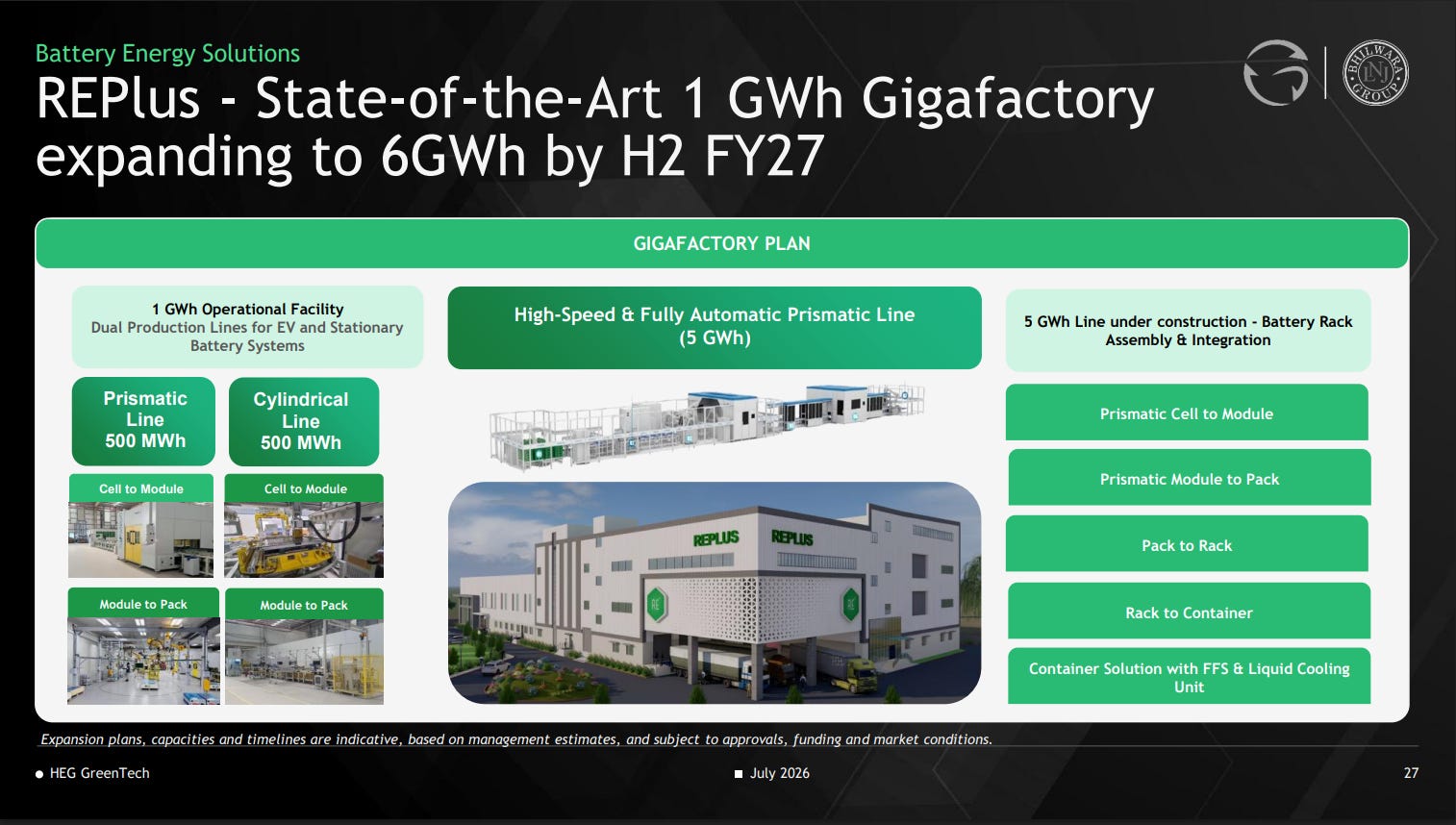
Through REPLUS, the company currently operates a 1 GWh gigafactory with dual production lines, 500 MWh of prismatic cell capacity and 500 MWh of cylindrical, spanning the full stack from cell to module to pack. A high-speed, fully automatic prismatic line with 5 GWh of capacity is under construction, alongside a separate battery rack assembly and integration line, taking REPLUS's planned capacity to 6 GWh by the second half of FY27. This positions REPLUS to capture the full downstream value chain, from prismatic cell to module, module to pack, pack to rack, and rack to container, including containerised solutions with fire suppression and liquid cooling built in.
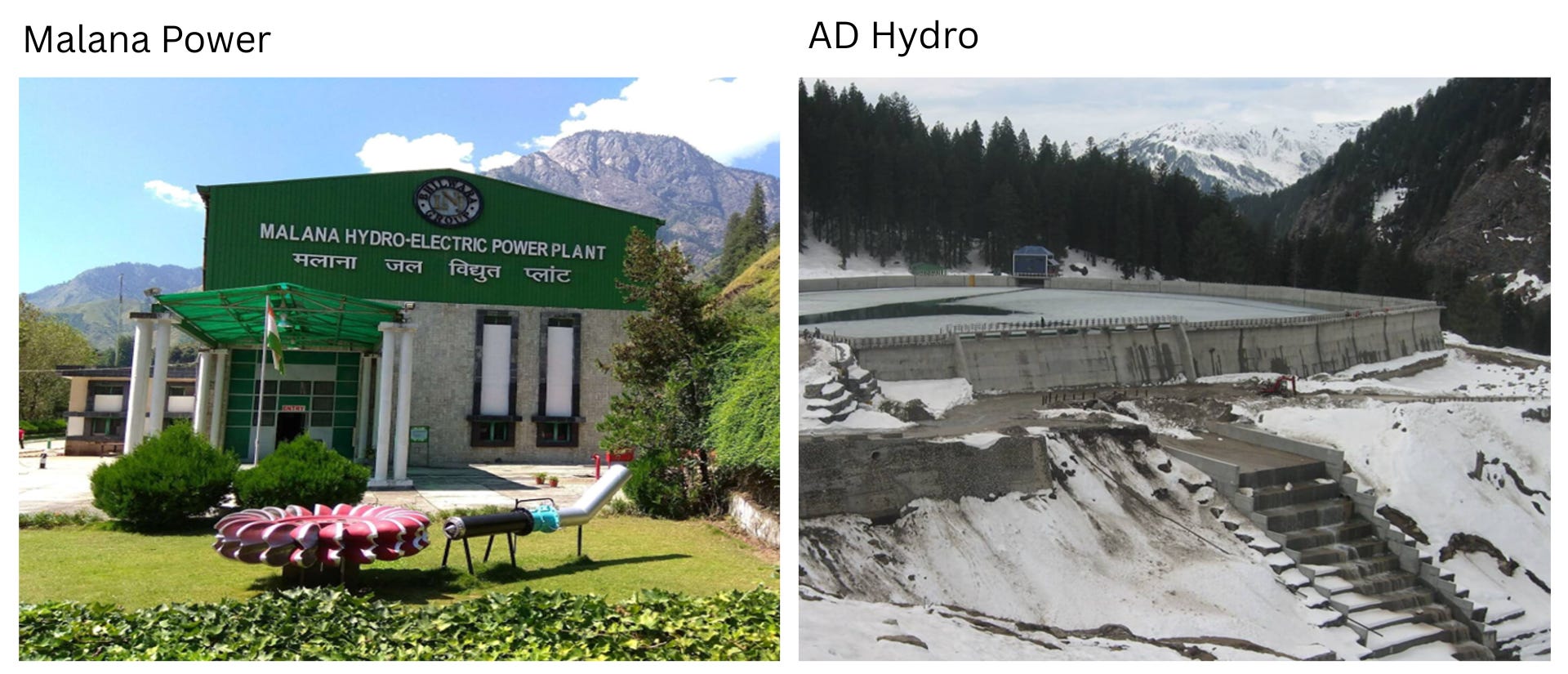
Company’s hydro portfolio runs on two operating assets in Himachal Pradesh, Malana Power and AD Hydro, together contributing 86 MW and 192 MW of installed capacity in the mountains. These plants have been reliable, high margin generators for years, and the group recently strengthened its ownership further by acquiring Statkraft's 49% stake in both projects, bringing them to full, wholly owned control. This full ownership means the entire cash flow generated by these assets now accrues directly to HEG Advanced Materials, reinforcing the steady, low risk base that supports the platform's more capital intensive bets in anode and battery storage manufacturing.
The Graphene Optionality
Beyond the core anode business, TACC also carries an optionality that could meaningfully expand its addressable market over time, a graphene derivative line, with 150 MT capacity currently under active consideration alongside the core 20,000 MT anode plant. Graphene sits a notch above graphite in terms of both technical sophistication and pricing, finding use across a much wider set of applications than batteries alone, including composites, coatings, thermal management, and specialty electronics.
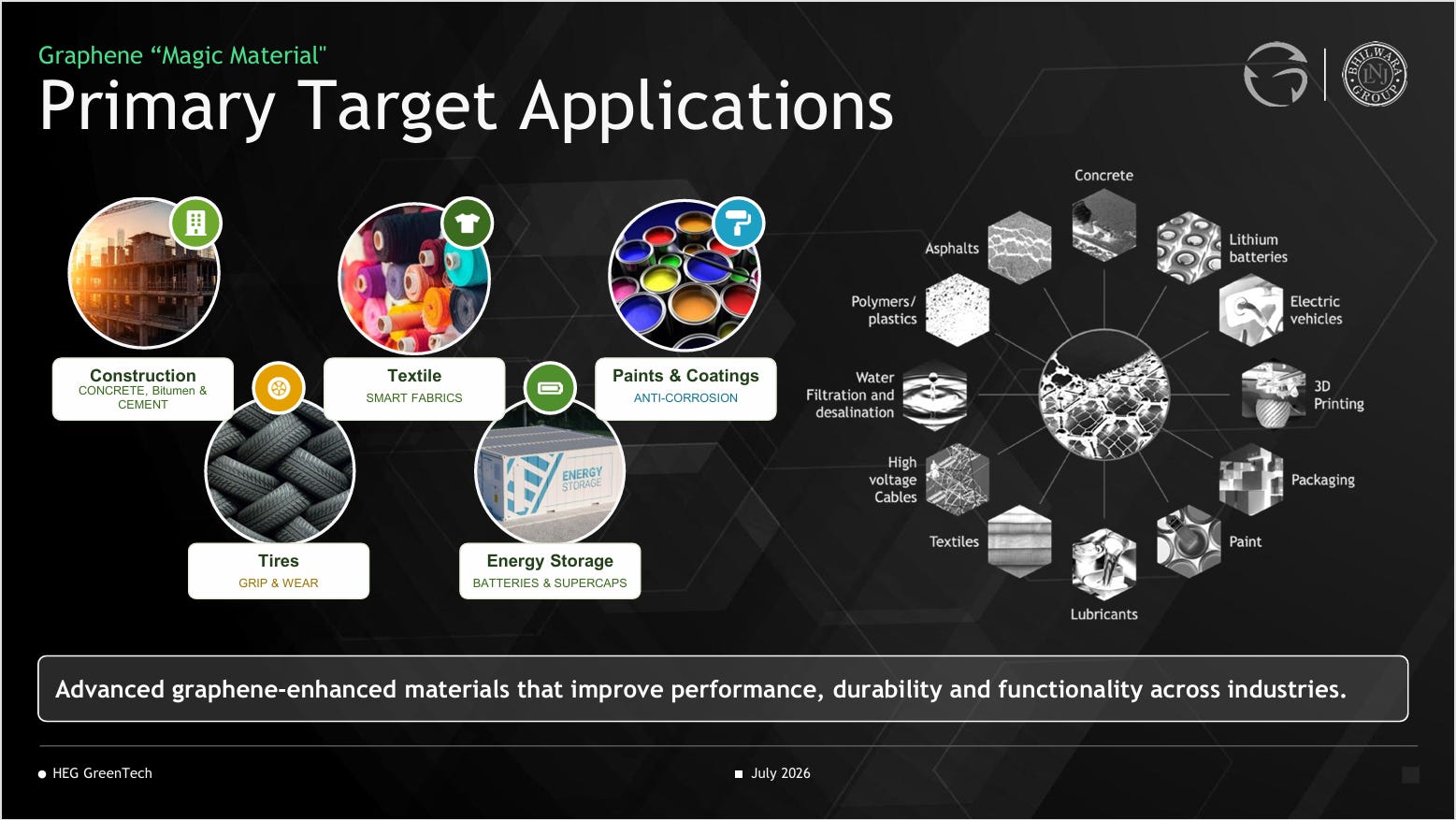
For TACC, this optionality does not change the near-term investment case, which still rests on anode ramp-up, but it does add a longer-dated lever, a way to move up the value chain into higher-margin, higher-complexity materials once the core plant is commissioned and running.
Bigger Picture for Singularity
India’s dependence on imported battery materials remains a critical strategic gap, and closing even one link in that value chain, anodes, can create disproportionate value given how concentrated global supply remains. HEG Advanced Materials has been built to address this opportunity from a position of strength. It combines HEG’s decades of expertise in graphitization and raw material sourcing with a cash-generating hydro power business, while creating multiple long-term growth avenues across synthetic graphite anodes, energy storage, and graphene.
That is also why this demerger matters as it separates a mature, cash-generating core business from a portfolio of high-growth opportunities, allowing investors to value each on its own merits. At a time when India’s battery materials ecosystem is only beginning to take shape, this allows market to appreciate the long-term optionality embedded in this platform.
“HEG’s legacy in graphite gives this business a natural right to win in anode, decades of process knowledge in a material few companies in the world can make well. That is not something capital alone can buy, it has to be earned over years in the plant. A strong balance sheet now lets us back that advantage with real capital, at the scale this opportunity demands, and turn a technical edge into a market leading position.”
- Yash Kela, Founder & CIO, Singularity AMC
Read our recent blog here:

Next Frontier in India's Cancer Care

How Singularity Portco Immuneel is Advancing CAR-T therapy in India...